Clara Richter · 20 September 2026
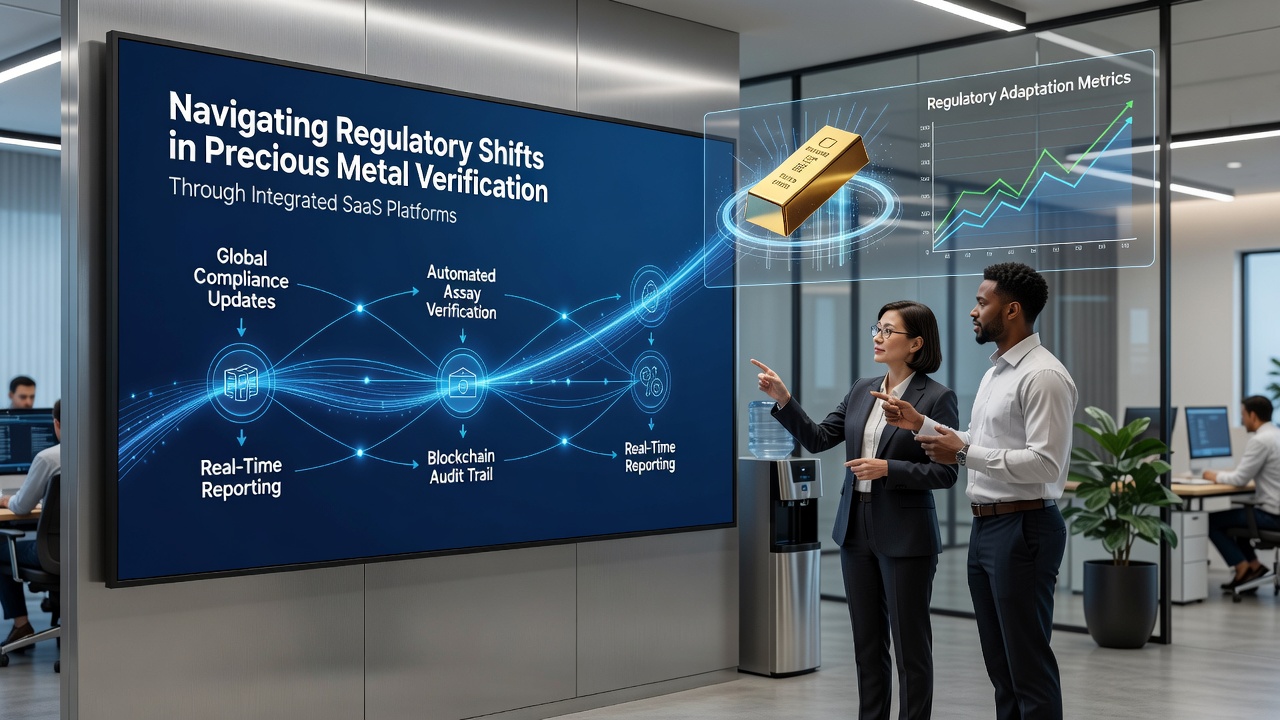
Navigating Regulatory Shifts in Precious Metal Verification Through Integrated SaaS Platforms
Regulatory frameworks governing precious metal verification continue to evolve across multiple jurisdictions and integrated SaaS platforms have emerged as tools that organizations use to adapt to these changes while maintaining operational continuity. Data from industry reports indicates that verification processes now incorporate automated checks for origin documentation, assay results, and chain-of-custody records, which align with requirements set by bodies such as the European Commission and the Australian Transaction Reports and Analysis Centre.
Current Regulatory Environment for Precious Metals
Multiple agencies have updated standards in recent years, with the European Union implementing amendments to its Anti-Money Laundering Directive that affect how dealers verify silver and gold shipments entering member states. Canadian authorities through the Financial Transactions and Reports Analysis Centre have introduced enhanced due diligence protocols for high-value metal transactions, requiring digital records that capture supplier identities and transaction timestamps. Observers note that these shifts demand systems capable of handling cross-border data flows without manual intervention at each step.
Integrated SaaS solutions address these demands by consolidating verification modules into single interfaces where users upload certificates, run automated compliance scans, and generate audit trails. Research from academic institutions shows that such platforms reduce processing times for regulatory filings by connecting directly to government databases in participating regions, which allows verification teams to focus on exception handling rather than routine data entry.
How SaaS Integration Supports Verification Workflows
Platform architectures typically include API connections to refinery databases, customs systems, and third-party assay laboratories, enabling real-time updates when regulations change. One study revealed that organizations adopting these systems experienced fewer discrepancies during audits because the software flags missing documentation before submissions reach regulators. And because updates deploy centrally, users across different locations receive consistent rule sets without needing local IT teams to reconfigure individual workstations.
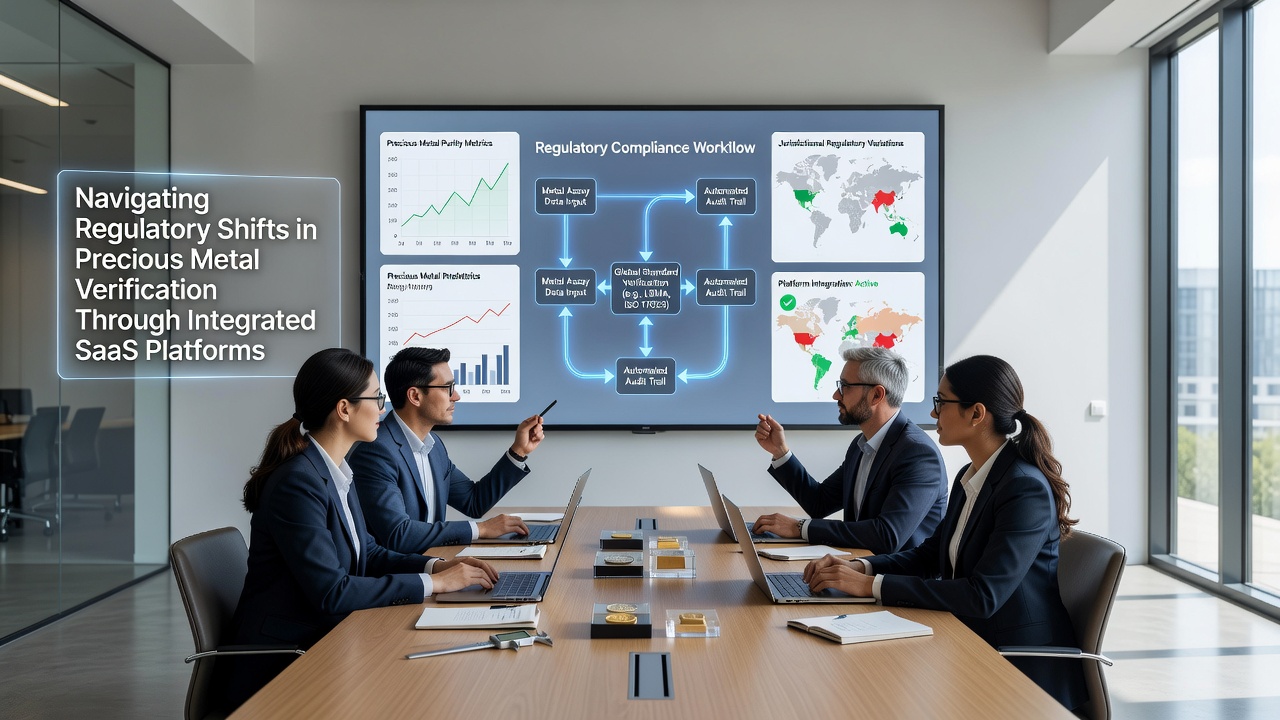
What's interesting is the way these platforms handle jurisdiction-specific rules through configurable rule engines. A firm operating in both EU and Australian markets can apply different verification thresholds based on transaction value and metal type, with the system automatically routing records to the appropriate reporting portals. Figures from regulatory filings indicate that automated submissions through such tools have increased compliance rates in monitored sectors since their wider adoption.
Implementation Patterns Observed in Industry
Companies have integrated these platforms at various scales, from mid-sized refiners to international trading houses. Experts have observed that initial deployments often begin with core modules for document management and expand to include predictive analytics that forecast regulatory impact based on historical enforcement patterns. There's this case where experts found that a European trading group reduced its verification backlog by connecting its SaaS instance to the EU's centralized registry for conflict minerals, which streamlined checks against sanctioned entities.
Training requirements remain modest because interfaces use familiar dashboard layouts with guided workflows for each verification stage. Data shows that staff proficiency reaches operational levels within weeks when platforms include built-in help resources tied to specific regulatory clauses. Those who've studied this know that ongoing support from SaaS providers includes scheduled webinars that explain upcoming rule changes, such as the updates scheduled for September 2026 under revised international standards for metal provenance tracking.
Technical Considerations for Platform Selection
Security protocols within these systems typically feature encryption for data at rest and in transit, along with role-based access controls that restrict sensitive verification records to authorized personnel. Integration capabilities matter because platforms must exchange information with existing enterprise resource planning software and laboratory information management systems without custom coding for each connection. Research indicates that open API designs correlate with faster deployment timelines in multi-site operations.
Scalability features allow organizations to increase transaction volumes during peak periods without proportional increases in manual oversight. Australian mining operators, for instance, have reported using cloud-based scaling to process seasonal surges in export documentation while maintaining alignment with local reporting mandates.
Conclusion
Integrated SaaS platforms provide structured approaches to managing verification requirements amid ongoing regulatory developments in the precious metals sector. Organizations gain access to centralized tools that consolidate documentation, automate checks, and facilitate submissions across different regulatory environments. Evidence from multiple regions demonstrates measurable improvements in audit readiness and processing efficiency when these systems are deployed with attention to local rule variations and technical compatibility. As frameworks continue to update, including changes targeted for September 2026, the capacity of SaaS solutions to incorporate new parameters through configuration rather than redevelopment remains a key operational factor.