Clara Coleman · 18 October 2026
Silver Purity Testing Evolves with Portable Sensor Networks in Remote Mining Regions
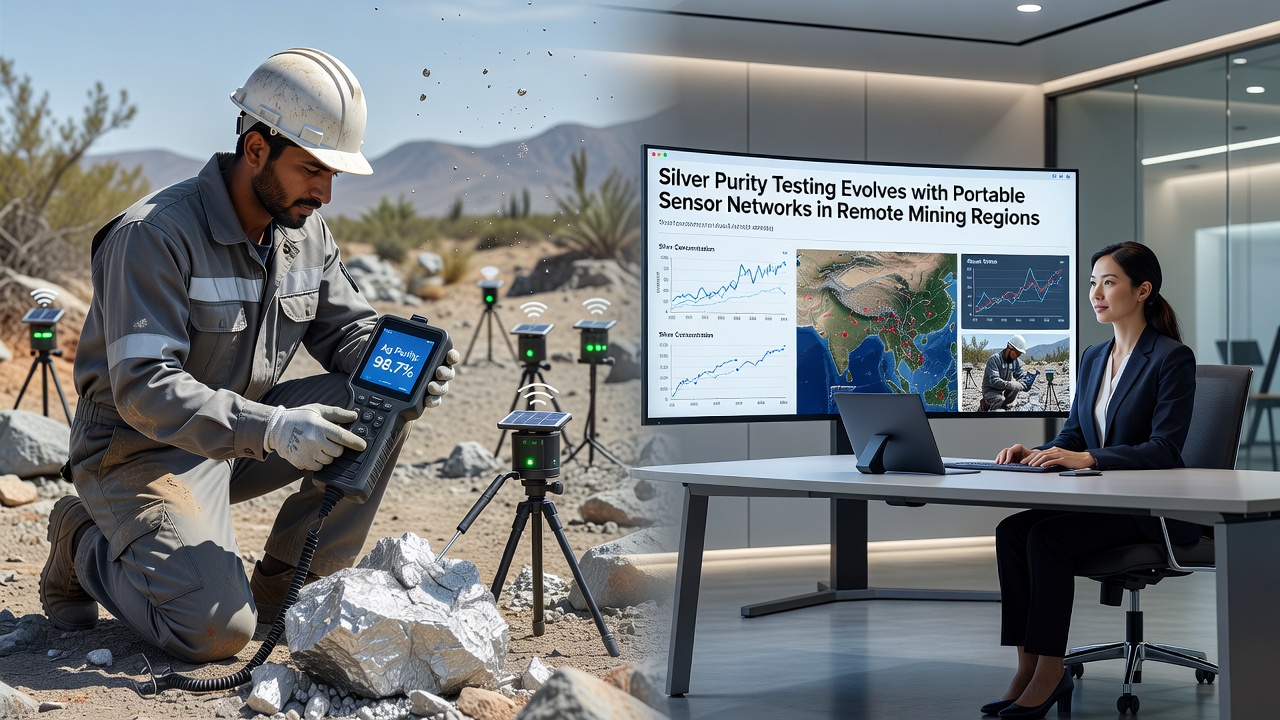
Remote mining operations have long faced challenges in verifying silver purity without shipping samples to distant labs, yet portable sensor networks now allow on-site analysis through interconnected devices that transmit data via wireless protocols. These systems combine X-ray fluorescence detectors with IoT gateways, and they deliver readings on metal composition within minutes while operators remain at the extraction point. Data from such networks flows to centralized platforms where algorithms compare results against established benchmarks, and mining teams adjust extraction methods accordingly.
Deployment Patterns in Isolated Areas
Operators in regions like the Andes and parts of central Asia have installed clusters of handheld spectrometers linked through mesh networks, and these setups cover several square kilometers without relying on cellular infrastructure. Each node collects spectral data on silver content, then relays it to a base station that aggregates readings for trend analysis. Studies from geological surveys indicate deployment rates increased notably after 2023, when battery life improvements extended device operation to multiple days in extreme temperatures.
Technical Components Driving Accuracy
Sensor units incorporate calibration modules that reference known silver standards before each scan, while machine learning models correct for environmental variables such as dust interference or temperature fluctuations. The networks operate on low-power wide-area protocols that maintain connectivity across rugged terrain, and software dashboards present purity percentages alongside confidence intervals derived from repeated measurements. One installation in northern Canada processed over 2,000 samples monthly by late 2025, with error margins below 1.5 percent according to field reports from industry consortia.
Integration with Supply Chain Records
Readings generated by these networks feed directly into blockchain ledgers or enterprise databases, creating immutable logs that accompany shipments from mine to refinery. This linkage reduces discrepancies during audits, and regulatory bodies in Australia and the European Union have begun accepting network-generated certificates as primary documentation for import compliance. Figures from the U.S. Geological Survey show a 22 percent rise in documented silver output from remote sites using sensor verification between 2024 and 2026.

What's interesting is how these systems scale: a single gateway can handle inputs from dozens of sensors, and firmware updates pushed over the air incorporate new calibration curves developed from laboratory cross-checks. Observers note that maintenance intervals average every six months, with replacement parts designed for field swaps that minimize downtime.
October 2026 Milestones and Regional Rollouts
During October 2026 several pilot programs expanded across South American operations, where additional gateways connected previously isolated pits to existing networks. Government agencies in Chile coordinated with mining firms to standardize data formats, ensuring compatibility with national mineral registries. Research published by academic teams at the University of British Columbia demonstrated that sensor networks reduced verification turnaround from weeks to hours, and similar findings appear in reports from the Australian Department of Industry, Science and Resources.
Challenges Addressed Through Network Design
Power constraints in off-grid locations led developers to integrate solar-assisted charging alongside lithium packs, while rugged casings protect against moisture and vibration. Interference from nearby equipment prompted frequency-hopping techniques that maintain signal integrity, and redundancy built into the mesh allows nodes to reroute data if one link fails. Those who've implemented the technology report consistent uptime above 95 percent once initial tuning completes.
Future Expansion Indicators
Current installations cover silver-dominant sites, yet the underlying architecture supports multi-metal detection that could extend to copper or gold assays with firmware adjustments. Trade organizations tracking sensor adoption project continued growth through 2027 as costs per node decline and satellite backhaul options improve coverage in polar and desert zones. Data shows that sites adopting these networks achieve faster assay turnaround, which in turn supports tighter inventory controls during transport.
Conclusion
Portable sensor networks have shifted silver purity verification from centralized labs to distributed field operations, and the resulting data streams support both operational decisions and regulatory compliance. Continued refinements in hardware durability and software analytics point toward broader application across additional remote deposits, while integration with digital record systems strengthens traceability from extraction onward.